Blog
Full Nelson Sex Position: What It Is and Why It Is Advanced


The Full Nelson sex position is an advanced, restraint-adjacent arrangement named after the wrestling hold. In the version most commonly described, one partner is reclined or lying back with the legs raised, while the other partner uses their arms to support or hold the legs in a Nelson-style configuration. It is physically demanding and can put strain on the neck, shoulders, hips, and balance, so it is not a beginner position or a goal to force.
How do people set up the Full Nelson position?
In the common bed-supported version, the lower partner lies back on a stable surface. The other partner positions themselves on top, facing the same direction, with the legs raised and bent. The lower partner may support the legs and upper body from behind, but the exact arm placement shown in guides varies.
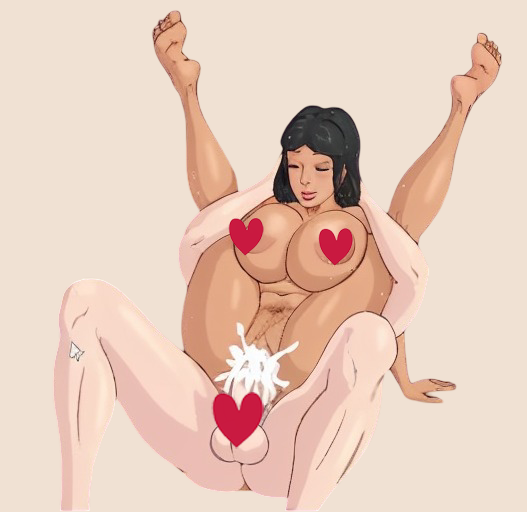
If penetration is part of the activity, begin only after both people have found a stable, comfortable position and can communicate easily. Start slowly, reassess the balance before adding movement, and stop to reset if either person feels unstable or strained. Do not put pressure on the neck, pull the head forward, block breathing, or use any arm placement that prevents the upper partner from moving away. The defining idea is the same-direction, raised-leg arrangement with a wrestling-inspired hold—not reproducing a single illustration.
Why the name can be confusing
“Full Nelson” comes from wrestling, where the original hold is associated with pressure around the arms and neck. Sex-position guides do not always show precisely the same body arrangement. Some begin from a reverse-cowgirl-style setup; others show a reclined or raised-leg version. The common feature is the wrestling-inspired arm hold, not one universally standardized illustration.
WebMD’s overview describes the position as athletic and potentially risky, particularly because the body arrangement can affect breathing, neck comfort, muscle strain, and balance. That context matters more than trying to reproduce a picture exactly.
What makes Full Nelson advanced?
- Neck and shoulder loading: A wrestling-style arm position can quickly become uncomfortable when it pulls the head forward or limits natural movement.
- Balance: One partner may be supporting more body weight or trying to hold an awkward angle.
- Hip and hamstring flexibility: Raised legs and a reclined body position may not work for every range of motion.
- Communication and exit: A restrained or compressed arrangement can make it harder to speak clearly, reposition, or exit quickly, which makes an agreed release signal especially important.
Decide before you try it
This arrangement should only be considered by consenting adults who have discussed it before getting into position. Agree on a simple stop signal that works even if talking becomes awkward, and decide in advance that either person can end the attempt immediately without explanation.
Do not use neck pressure, pull the head forward, restrict breathing, or hold a person in place when they are trying to move away. Stop at once for pain, numbness, dizziness, trouble breathing, shoulder strain, neck discomfort, or any request to stop. Anyone with current neck, shoulder, back, hip, balance, or circulation concerns should choose a different arrangement.
A lower-intensity way to explore the idea
If the appeal is closeness or a more contained body position, remove the wrestling hold entirely. A supported, reclined arrangement with easy access to the floor or bed lets both people test comfort without trapping the neck or shoulders. Keep the legs at a natural range rather than lifting them high, and make changing position easy.
For a separate, bed-supported arrangement that does not rely on a Nelson-style hold, see the Waterfall position guide. It is not another name for Full Nelson; it is simply a less restraint-focused option to compare.
When to choose another position
Skip Full Nelson if either partner feels rushed, uncertain, physically unsupported, or unable to communicate comfortably. It is also a poor choice after alcohol or drugs have affected balance, reaction time, or the ability to give and understand consent.
A position does not become better because it is difficult. The useful measure is whether both people can breathe comfortably, move freely enough to stop, and remain physically at ease throughout.
Frequently asked questions
Is Full Nelson the same as a wrestling hold?
It borrows the name and some arm-position imagery from wrestling, but sexual guides use the label for adult intimacy contexts. The wrestling Full Nelson is known for injury risk and should not be recreated with force.
Is the Full Nelson sex position safe?
It can carry more risk than a supported, ordinary position because of neck, shoulder, flexibility, and balance demands. Do not treat it as safe for everyone. Clear consent, an immediate release option, and no pressure on the neck or breathing are minimum limits—not optional extras.
Is Full Nelson good for beginners?
No. A simpler face-to-face, side-lying, or bed-supported position is usually a better starting point because it gives both partners more control and easier exits.
Why do Full Nelson images look different online?
The term is not used with complete consistency across sex-position guides. Compare the actual support points, arm placement, and body orientation instead of assuming every image shows the same setup.
Is Full Nelson the same as Reverse Cowgirl?
No. Some Full Nelson illustrations may begin from or resemble a reverse-cowgirl-style orientation, but the terms are not interchangeable. Full Nelson refers to the wrestling-inspired arm and body arrangement, while Reverse Cowgirl describes a partner-on-top orientation facing away.
The Full Nelson is best treated as an optional, advanced idea—not a benchmark. If the setup compromises comfort, breathing, consent, or easy movement, choose a different position.