

Blog
What Is a Femboy?

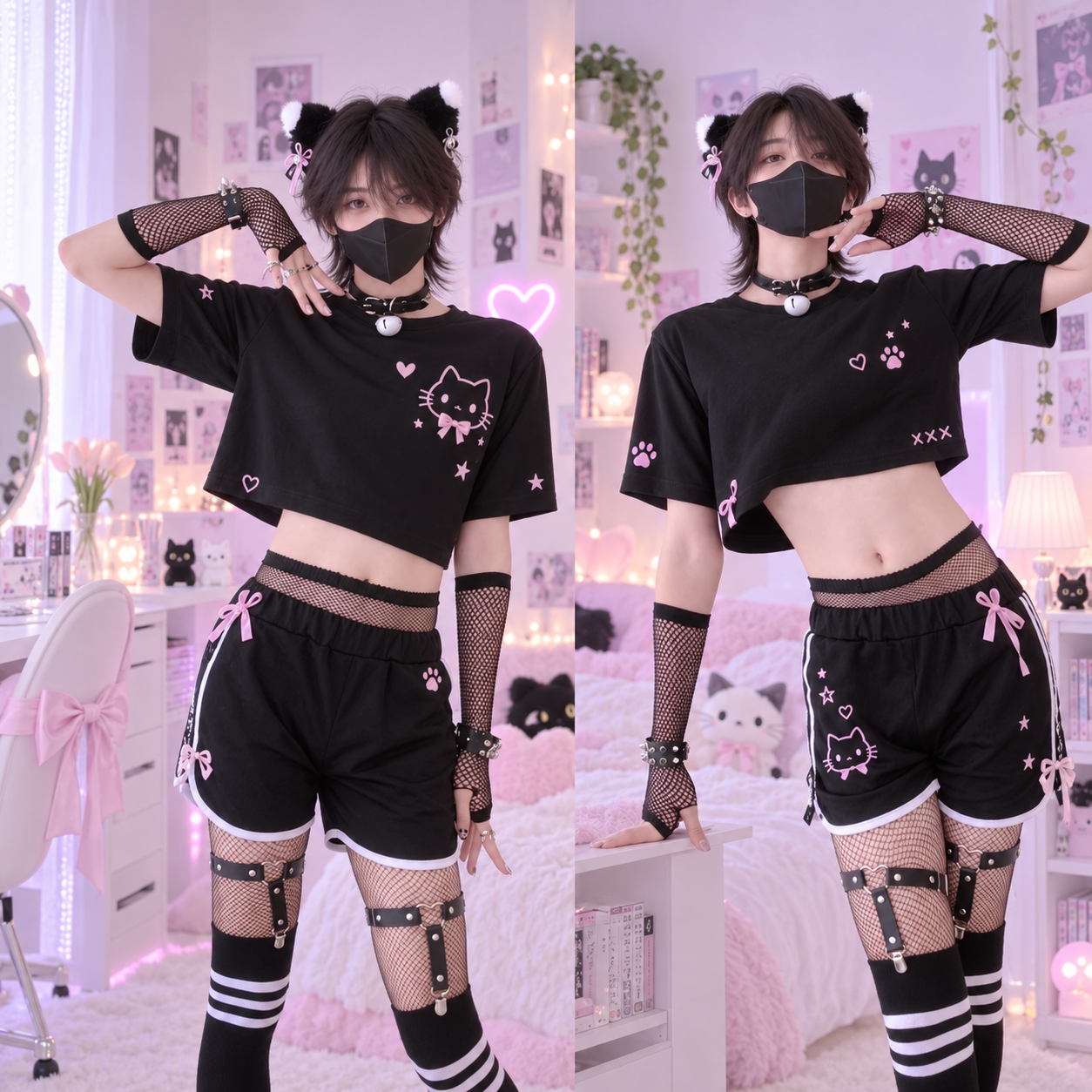
A femboy is an informal term commonly used for a man whose style or presentation is traditionally feminine. Some nonbinary people also use the label. It generally describes gender expression or self-identification—not a particular sexual orientation. Merriam-Webster’s slang entry explains this distinction.
For someone who uses the word, it might describe their everyday style, an occasional look, or a connection to a community. A man can also enjoy feminine clothing without calling himself a femboy. The clothes and the label don’t necessarily come together.
What Does the Femboy Aesthetic Look Like?
There isn’t one required look. Skirts, dresses, stockings, makeup, and feminine accessories appear in some femboy fashion, including the styles discussed in Them’s overview of the subculture.
An outfit might pair a skirt with an oversized sweater, or keep things subtle with nail polish, jewelry, and eyeliner. Some looks lean into anime-inspired fashion; others blend masculine and feminine clothing without following a recognizable internet aesthetic.
These are possibilities, not requirements. No particular body type, hairstyle, or wardrobe makes someone more qualified to use the term. A femboy isn’t defined by a checklist of clothes.
Where Did the Word Femboy Come From?
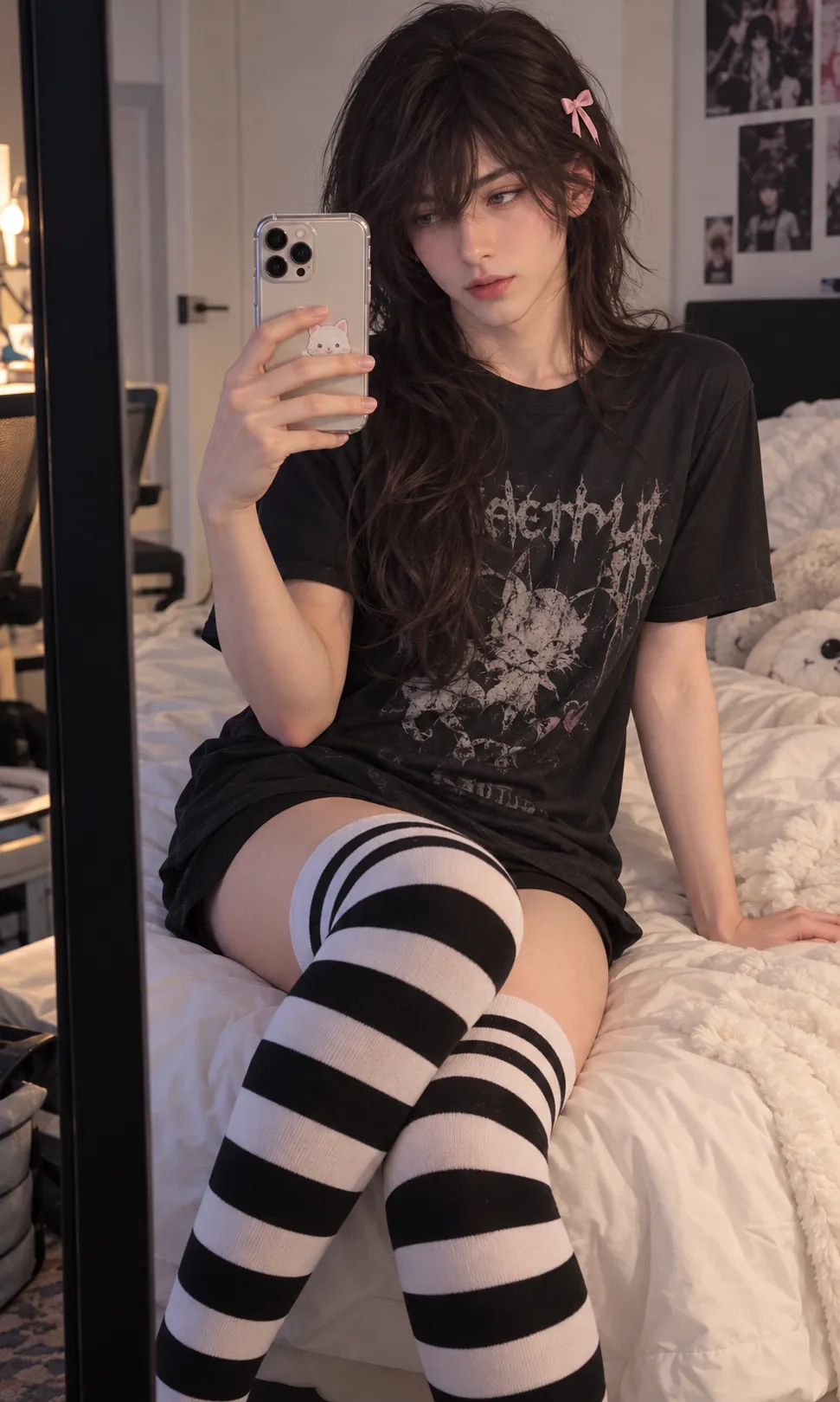
The word combines fem, short for feminine, with boy. Dictionary.com traces its use to at least the 1990s, describing an early derogatory meaning aimed at men who didn’t fit conventional expectations of masculinity. That dates documented usage; it doesn’t establish a single inventor or an exact starting point.
Some people later reclaimed the word as a positive description of their feminine expression. That didn’t erase its insulting uses. Both meanings still exist, which helps explain why one person might welcome the label while another dislikes it.
Merriam-Webster describes its spread through online communities in the 2010s and greater visibility through social posts and hashtags in the early 2020s. Read its word history.
Gender Expression Isn’t the Same as Gender Identity
Three concepts help make sense of the term:
| Concept | What it describes |
|---|---|
| Gender expression | How someone presents themselves through clothing, hair, voice, mannerisms, and other outward cues |
| Gender identity | Someone’s understanding of their own gender |
| Sexual orientation | Their pattern of romantic or sexual attraction |
These distinctions follow GLAAD’s terminology guide. What a culture considers feminine or masculine can also change over time.
Femboy usually tells you more about expression than it does about the other two categories. For some people, it’s also a meaningful personal or community label—not merely a fashion choice.
Does Being a Femboy Mean Someone Is Gay?
No. Feminine presentation doesn’t establish whether someone is gay, straight, bisexual, asexual, or another orientation.
It also doesn’t tell you their preferred relationship role or sexual interests. Those are separate questions, not details you can read from an outfit.
How Femboy Differs From Related Terms
Several terms come up in the same conversations, but they aren’t interchangeable.
| Term | Main distinction |
|---|---|
| Feminine man | A broader description of a man’s expression; he may or may not use femboy |
| Trans woman | A woman—not a category of feminine man |
| Nonbinary person | Someone whose gender isn’t exclusively man or woman; the term doesn’t prescribe a particular appearance |
| Twink | Slang associated with gay male culture that emphasizes a youthful, slim appearance rather than feminine expression |
For the gender-identity terms, PFLAG’s glossary provides further explanation.
A trans woman is a woman. Calling her a femboy because she looks feminine can misgender her. Use the identity she gives you rather than substituting a label based on appearance.
Femboy vs. Twink: What’s the Difference?

The simplest distinction is expression versus appearance. Femboy emphasizes feminine presentation, while Dictionary.com’s definition of twink centers on a young gay man with a slim, youthful appearance.
Someone might use both terms, but neither requires the other. A twink doesn’t necessarily dress femininely, and being a femboy doesn’t require a slim build.
Femboy in Everyday Language, Online Culture, and Adult Media
The setting matters. A personal profile, a fashion post, and an adult-content category can use the same word for different purposes.
Consider these illustrative examples:
| Where you encounter it | How to read it |
|---|---|
| A personal profile says “I’m a femboy” | The person has chosen that description. It isn’t a complete account of their identity or dating interests. |
| A clothing post is tagged “femboy outfit” | The tag may identify an aesthetic or help the post reach a style community. It doesn’t tell you how everyone wearing those clothes identifies. |
| An adult listing uses “femboy” as a category | The label may organize content or describe a fictional character’s presentation. It isn’t a reliable definition of real people. |
Dictionary.com documents both everyday self-description and adult-media uses of the word. Its usage overview makes clear that the term isn’t limited to pornography.
For readers browsing an adult retailer, that distinction is especially useful. A character or product label describes how something is marketed. It cannot establish a real person’s anatomy, pronouns, orientation, or preferences—and it doesn’t imply that people who use the label want to be sexualized.
Is Femboy a Compliment or an Insult?
It can be either. Someone might use it proudly for themselves and still dislike hearing it from a stranger, particularly when the comment feels mocking or sexualizing.
If your intention is to compliment an outfit, compliment the outfit: “That eyeliner looks great” or “I love how you styled that skirt.” You don’t need to assign an identity to appreciate someone’s style.
If someone asks you not to call them a femboy, stop. Their preference matters more than whether a dictionary allows the usage.
Frequently Asked Questions
Can an Adult Man Call Himself a Femboy?
Yes. Merriam-Webster includes a usage example from a 40-year-old who describes himself that way. The word has youthful associations, but adults use it too. It isn’t a reliable way to determine someone’s age. See the documented example.
Is Femboi the Same as Femboy?
Femboi is a spelling variant of femboy. Merriam-Webster connects the variant to boi, a spelling used in LGBTQ+ communities. Follow someone’s preferred spelling when referring to them.
Is a Femboy the Same as a Cross-Dresser?
Not necessarily. Cross-dressing focuses on wearing clothing conventionally associated with another gender. Femboy can describe a broader style or personal label. Someone may use both terms, one, or neither. PFLAG’s glossary discusses cross-dressing as distinct from gender identity.
Understanding the word doesn’t mean deciding who fits it. It means recognizing what someone is communicating when they choose it—and leaving room for them to explain the rest.
