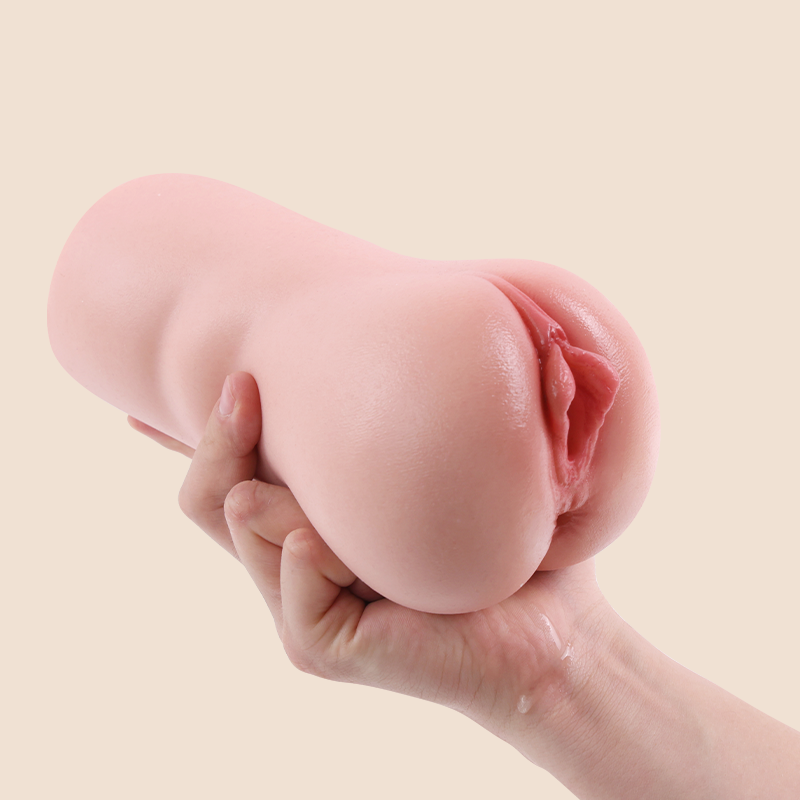
Blog
Innie vs. Outie Labia: What’s the Difference?


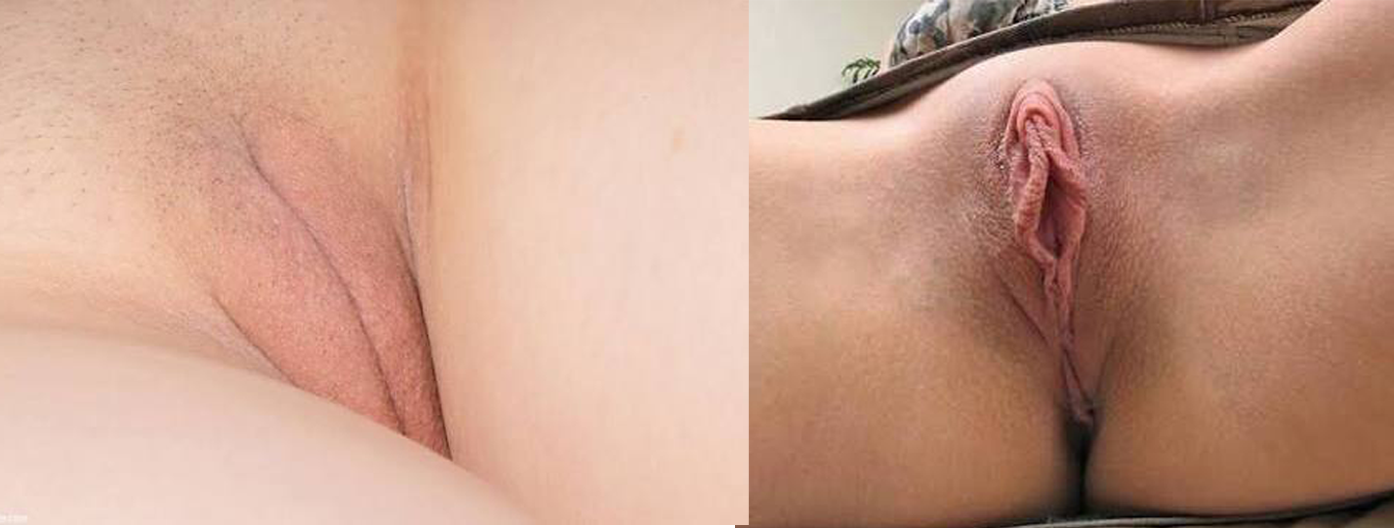
“Innie” and “outie” are informal terms for how the inner labia appear in relation to the outer labia. An “innie” usually means the labia minora are mostly covered by the labia majora; an “outie” means part of one or both inner labia is visible beyond them. Both—and the many appearances between them—can be normal.
People often search for “innies vs. outies vaginas,” but the visible anatomy being compared is the vulva, not the internal vagina. The labels are not medical diagnoses, permanent categories, or a way to measure sexual experience, hygiene, tightness, or pleasure.
What exactly is being compared?
| Informal label | What it usually describes | What it does not tell you |
|---|---|---|
| Innie | The labia minora are mostly concealed by the labia majora in a particular position | Health, sexual history, vaginal tightness, hygiene, or sensitivity |
| Outie | Part of one or both labia minora extends beyond the labia majora | Health, sexual history, vaginal tightness, hygiene, or sensitivity |
| Somewhere between | Visibility varies by side, posture, swelling, arousal, or life stage | A problem that must be corrected |
The useful comparison is therefore visual and limited: how much of the inner labia is visible at that moment. It does not sort every vulva into one of two fixed body types.
Vulva vs. vagina: a quick anatomy correction
The vulva is the external genital area. It includes the labia majora, labia minora, clitoris, urethral opening, and vaginal opening. The vagina is the internal muscular canal beginning at the vaginal opening.
That is why “innie vagina” and “outie vagina” are common but anatomically imprecise phrases. People are usually comparing the labia minora and labia majora. The Cleveland Clinic’s vulva anatomy guide provides a labeled clinical diagram.
How common are visible inner labia?
Visible inner labia are common, but there is no worldwide census that divides everyone into innies and outies. A 2017 cross-sectional study of 244 women found visible labia minora in 56% of participants. Measurements varied substantially, and 86.5% of participants considered their labia normal. The study abstract is available on PubMed.
That figure should not be turned into a universal rule. The study involved one sample, and informal labels were not the research’s medical categories. A newer systematic review and meta-analysis covering 991 premenopausal women found large differences between individuals and substantial variation across studies. The evidence supports a wide range of normal anatomy—not an ideal measurement.
Why do labia look different?
Labia vary naturally in length, width, thickness, color, edge shape, texture, and symmetry. Genetics and ordinary development help shape that appearance. One inner labium may be longer or more visible than the other, just as paired external body features are not always identical.
Visibility also depends on the relationship between the labia minora and labia majora. Fuller outer labia may cover more of the inner labia; less prominent outer labia may leave them more visible. Neither arrangement is automatically healthier or more functional.
Can an innie become an outie—or the reverse?
Appearance can change over time without anything being wrong. The American College of Obstetricians and Gynecologists explains that the labia minora grow and widen during puberty, while pregnancy can bring swelling or color changes that may or may not fully recede. During menopause, changes in hormones can affect the size and tissues of the vulva. See ACOG’s vulvovaginal health guidance.
Posture, arousal, temporary swelling, and how the tissue is positioned can also change what is visible in a mirror or photograph. For that reason, an informal label may not describe someone in exactly the same way at every age or in every position.
What the appearance cannot reveal
An innie or outie appearance cannot tell you:
- whether someone has had sex or how many partners they have had;
- whether the internal vagina is “tight” or “loose”;
- whether someone is clean or hygienic;
- how sensitive the area is or how easily someone reaches orgasm;
- whether childbirth has occurred; or
- whether a person is healthy.
The visible labia and internal vaginal canal are different structures. Sexual history cannot be read from external anatomy, and edited adult imagery is not a reliable catalogue of normal bodies.
Does either type feel better?
No appearance reliably predicts sexual pleasure. Sensation depends on nerves, the kind of touch, arousal, comfort, context, and individual preference—not simply whether the labia minora are visible.
Some people with more exposed labial tissue notice rubbing or pinching during cycling, exercise, tight clothing, or sexual activity. Many do not. Likewise, an “innie” appearance does not guarantee the absence of irritation. Symptoms matter more than the label.
When discomfort deserves attention
If ordinary friction is the issue, softer clothing, different seam placement, lubricant during sexual activity, or changes in pressure and position may help. Persistent pain should be assessed rather than treated as proof that the anatomy itself is defective.
Contact a clinician for a new lump, sore, blister, persistent itching or burning, unexplained bleeding, unusual discharge or odor, marked swelling, a sudden color change, or pain that interferes with daily life. A gradual, symptom-free variation in labial appearance is different from a new or painful change.
What about labiaplasty?
Labiaplasty is surgery that changes the labia. Visible inner labia alone are not a medical reason that surgery is required. Some people seek evaluation for persistent functional symptoms; others consider the procedure for cosmetic reasons.
ACOG notes that genital cosmetic procedures have potential risks and that there is no single correct appearance for external genitals. Anyone considering surgery should discuss symptoms, expectations, alternatives, healing, sensation, scarring, and complications with a qualified gynecologic clinician—not rely on a photo-based ideal.
Frequently asked questions
Are outie vulvas normal?
Yes. Labia minora that extend beyond the labia majora are a common anatomical variation. Visibility alone is not a sign of disease or sexual history.
Are innies more common than outies?
No universal estimate establishes one as the worldwide standard. One study of 244 women found visible inner labia in 56%, but that sample should not be treated as a global census.
Can someone be partly an innie and partly an outie?
Yes. One side may be more visible than the other, or visibility may change with posture, swelling, arousal, and normal tissue changes. The labels are informal, not binary medical types.
Can sex make someone develop an outie?
Labial appearance does not provide a record of sexual activity. Normal anatomy and life-stage changes explain variation; an outie appearance does not reveal whether or how often someone has had sex.
Does childbirth determine whether someone is an innie or outie?
No. Pregnancy and childbirth can change vulvar tissue for some people, but appearance varies before pregnancy as well and cannot prove whether childbirth has occurred.
Is labiaplasty necessary for an outie?
Not simply because the inner labia are visible. Appearance alone is not a diagnosis. Persistent functional symptoms deserve clinical evaluation, and surgery requires an informed discussion of alternatives and risks.
The takeaway
“Innie” and “outie” are casual descriptions of labia visibility, not medical categories. Bodies can fall anywhere along a broad, asymmetrical, and changing range. The label tells you what is visible; it does not reveal sexual history, hygiene, vaginal tightness, pleasure, or health.
Explore Realistic Masturbators
If realistic anatomy is part of what you look for in an adult toy, FutaDoll’s Realistic Masturbators include a variety of lifelike designs and product formats. Each model has its own shape, material, dimensions, and construction, so check the individual product details rather than treating any one design as a model of “normal” anatomy.
-

1.7lb Silicone Figure Pocket Pussy Hentai Onahole with Simulated Human Skin Texture (Ava)
$59.99 -
2.2lb Most Realistic Pocket Pussy Silicone Realistic Onahole
Original price was: $89.99.$78.99Current price is: $78.99. -
2.2lb Realistic Pocket Pussy Silicone Onahole Realistic Fleshlight
Original price was: $85.99.$75.99Current price is: $75.99. -
2lb Realistic Silicone Pocket Pussy Realistic Fleshlight Onahole Hentai
Original price was: $79.99.$69.99Current price is: $69.99.