Blog
Dacryphilia Meaning: What It Is, Why It Happens, and Is It Normal?

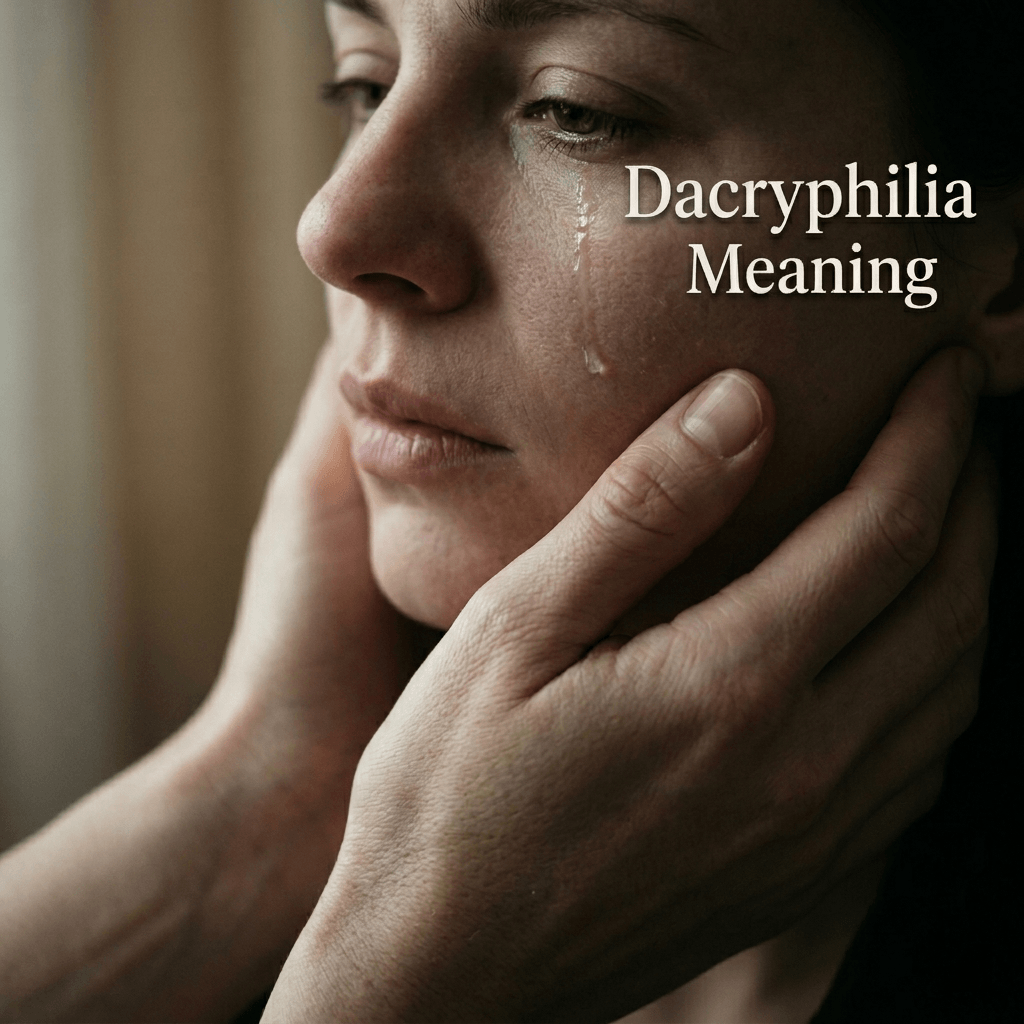
You’d be surprised how often people come across a new term related to attraction or sexuality and immediately think, “Wait, is that really a thing?” Dacryphilia is one of those terms. It’s not something you hear discussed every day, but researchers and sexuality experts have long noted that non-mainstream sexual interests exist throughout the general population—and, in many cases, they’re far more common than most people assume.
What is dacryphilia?
Dacryphilia is basically a term used to describe an emotional or sexual interest in tears, crying, or even just watching someone cry. The word itself comes from Greek—“dakry” meaning tears and “philia” meaning attraction or love. So at its core, it’s really about being drawn to tears or strong emotional moments in some way. Healthline notes that it’s considered an atypical sexual interest, but like most things in human attraction, it isn’t one-size-fits-all. Healthline For some people, it’s more about the visual side of tears, while for others it’s tied to emotional closeness, vulnerability, or even the feeling of comforting someone who’s upset.

Dacryphilia and BDSM: How They Relate
Dacryphilia and BDSM are sometimes mentioned in the same conversations, but they’re actually quite different from both a clinical and conceptual standpoint. BDSM is generally defined in psychological and sexuality research as a consensual framework involving power exchange, dominance, submission, and negotiated roles. Dacryphilia, on the other hand, refers specifically to a sexual or emotional attraction to tears, crying, or the emotional states associated with them.
In BDSM relationships or scenes, emotional responses can sometimes be shaped by the unique dynamics of trust, control, vulnerability, and consent between partners. Because these experiences often carry a high level of psychological intensity, it’s not unusual for some individuals to experience strong emotions—including tears—depending on the context, their mindset, and personal sensitivities.
That said, within healthy and consensual dominant/submissive dynamics, the focus is typically on communication, mutual trust, and clearly established boundaries. When those elements are in place, emotional vulnerability may become more apparent during an interaction. If crying does occur, it’s generally viewed as a natural emotional response rather than a goal, requirement, or defining feature of BDSM itself.
-
Black Chin Strap-On Dildo Strap
Original price was: $28.99.$24.99Current price is: $24.99. -

Dildo Gag Discreet Face Mask BDSM Mouth Gag Silicone Bondage
Price range: $26.90 through $29.90 -
Sea Turtle Leather Bondage Adjustable Nipple Clamps
$54.99 -
Ear Metal Nipple Clamps with Bells
$49.99


Why Does Dacryphilia Happen?
At this point, researchers haven’t identified a single, universally accepted cause of dacryphilia. Instead, the available evidence suggests that it’s a complex sexual interest that can develop through a variety of emotional, psychological, and interpersonal experiences rather than one specific trigger.
A thematic analysis conducted by Greenhill and Griffiths (2015), based on interviews with individuals who reported dacryphilic interests, found several recurring themes in how people experience this attraction. One of the most commonly reported patterns was compassion-based arousal. In these cases, tears were linked to feelings of emotional intimacy, vulnerability, empathy, or a desire to comfort and care for another person, rather than being associated solely with physical or sexual stimulation.
Another theme identified in the study involved emotional significance. For some individuals, crying may symbolize trust, openness, or a deeply personal emotional connection, which can contribute to feelings of attraction within certain contexts.
A third pattern described by participants was a visual or expression-based attraction. In these cases, specific features associated with crying—such as visible tears, watery eyes, trembling expressions, or what some participants described as “curled lips”—served as particularly noticeable cues that heightened their interest.

Is Dacryphilia Normal?
Dacryphilia is generally considered a relatively uncommon sexual interest, but uncommon doesn’t automatically mean unhealthy, problematic, or clinically abnormal. Research on human sexuality consistently shows that sexual interests exist on a wide spectrum, and many less-common preferences are simply part of normal human variation rather than signs of psychological dysfunction.
From a clinical perspective, the more important question isn’t whether an interest is typical or atypical—it’s whether it causes significant distress, interferes with daily life, or involves non-consensual behavior. In diagnostic frameworks such as the DSM-5, an unusual sexual interest alone is not considered a mental disorder. The distinction depends on its impact and how it is expressed.
For that reason, context matters far more than rarity. Within healthy relationships, mutual consent, open communication, and emotional well-being are generally the factors that matter most. As long as an interest is experienced and expressed in a respectful, consensual way, its relative rarity does not, by itself, make it unhealthy or clinically concerning.
Frequently Asked Questions
Is dacryphilia a mental disorder?
No. Dacryphilia is not classified as a mental disorder in current clinical guidelines. According to frameworks such as the DSM-5, a sexual interest is only considered a disorder if it causes significant distress, interferes with daily functioning, or involves non-consensual behavior.
Is dacryphilia rare?
It’s generally considered uncommon, but that doesn’t mean it’s abnormal. Human sexuality is highly diverse, and research suggests that many less-common interests exist across the broader spectrum of sexual attraction and expression.
Can women have dacryphilia?
Yes. There is no evidence suggesting that dacryphilia is limited to any particular gender. Like many other sexual interests, it can be experienced by people of different genders and identities.
Does dacryphilia mean enjoying someone else’s pain?
Not necessarily. Dacryphilia is not inherently about causing pain or suffering. For some people, the attraction may be connected to emotional vulnerability, intimacy, empathy, or the visual aspects of crying rather than distress itself. Individual experiences can vary considerably depending on the person and the context.
Final Thoughts
Dacryphilia is an uncommon but highly varied sexual interest centered around tears, crying, or the emotions associated with them. Because people’s experiences can differ significantly, there is no single explanation or pattern that applies to everyone. What remains most important is understanding the interest within its individual context rather than relying on assumptions or stereotypes.
Like any aspect of human sexuality, healthy expression ultimately comes down to mutual consent, open communication, and respect between partners. When those foundations are in place, uncommon interests can be understood as part of the broad and diverse range of human sexual experiences.