Blog
Kyonyuu vs. Dekanyuu vs. Bakunyuu: What’s the Difference?

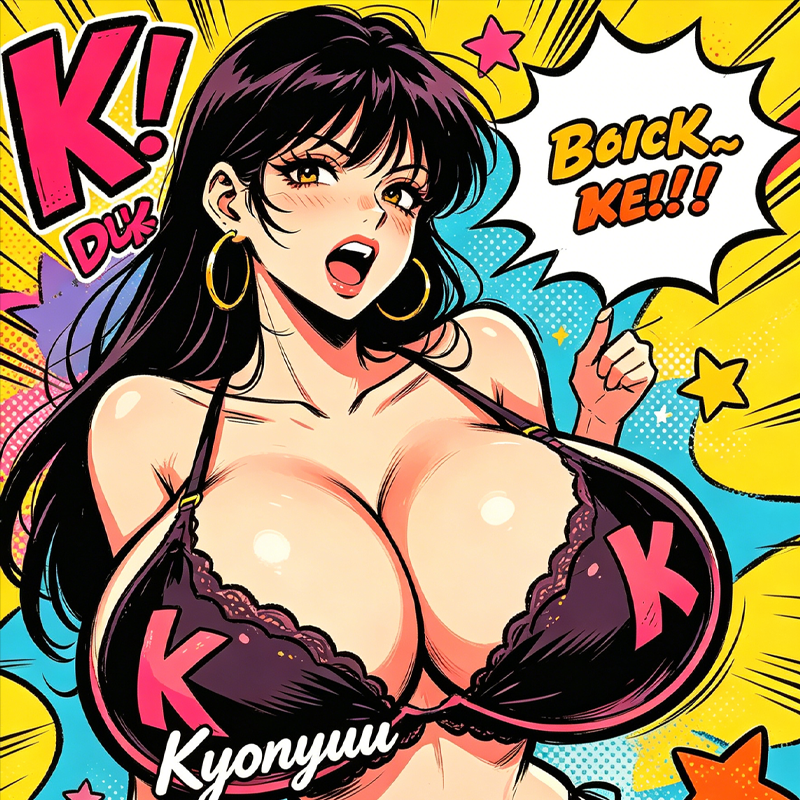
What is Bakunyuu?
Bakunyuu (爆乳) is a Japanese term that literally means “exploding breasts” or “huge breasts.”
- 爆 (baku) = explosion, bursting
- 乳 (nyū) = breast
In Japanese popular culture, especially manga, anime, gravure modeling, and adult entertainment, bakunyuu is used to describe women with extremely large, exaggerated breasts, often larger than would be typical in real life.

The term is commonly associated with:
- Anime and manga character archetypes featuring oversized breasts
- Certain genres of adult content
- Marketing descriptions for media or products aimed at fans of that body type
Outside of those contexts, it is not a standard medical or fashion term; it is mainly a pop-culture and entertainment expression.
For example:
- Bakunyuu character = a character designed with very large breasts.
- Bakunyuu manga = manga featuring such characters as a prominent theme.
- There’s dekanyuu (huge), then there’s kyonyuu (giant), and then there’s bakunyuu (explosive).
The closest English equivalents would be phrases like “busty”, “large-breasted”, or “extremely busty,” though bakunyuu usually implies a more exaggerated or stylized appearance.
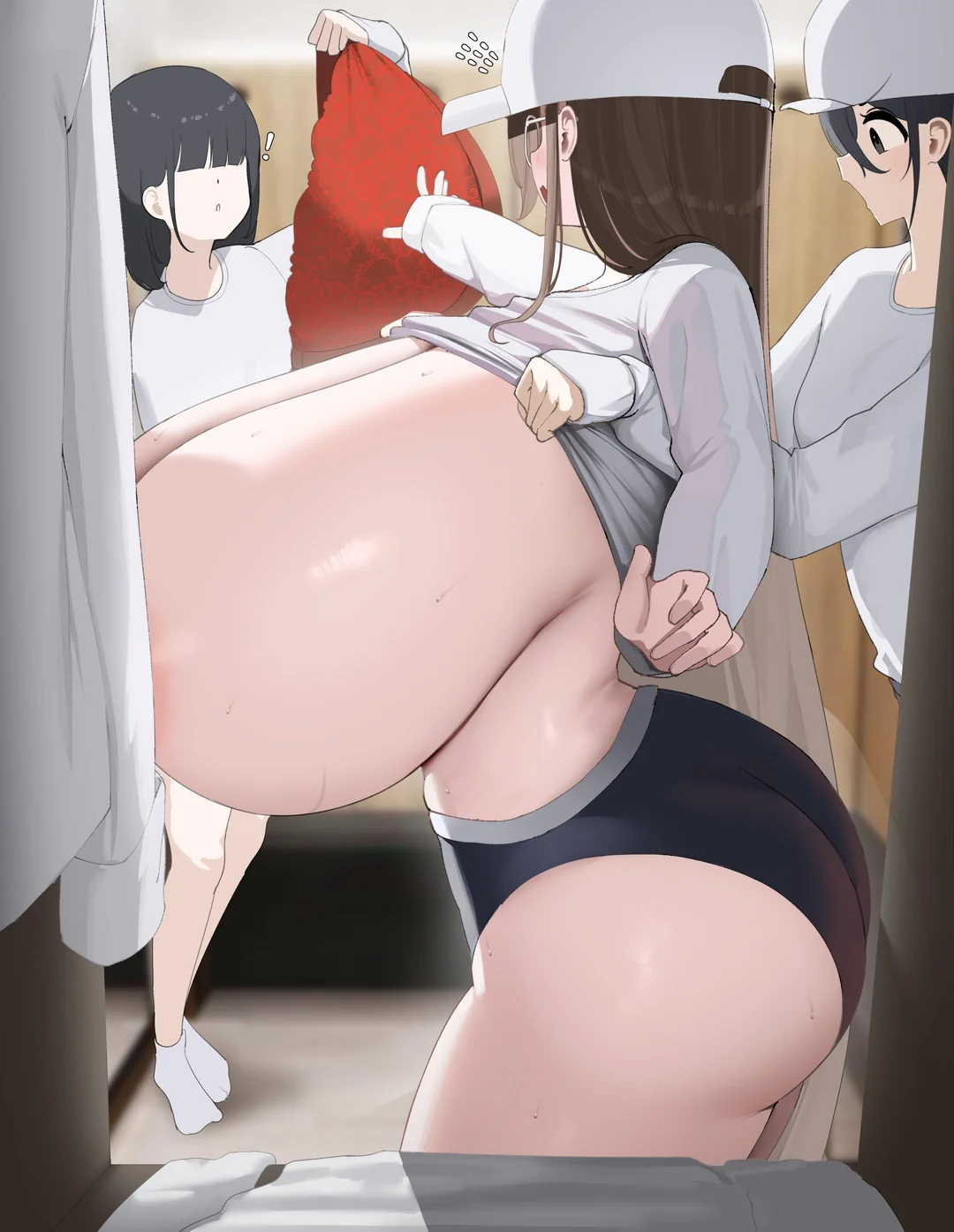
Why These Terms Are Popular in Anime and Manga
These terms are widely used in anime and manga communities because they make it much easier to quickly describe a character’s design without going into technical details.
Instead of talking about exact measurements or cup sizes, fans tend to use simple labels that instantly communicate the overall visual impression.
For example, it’s similar to saying someone is “slim,” “athletic,” or “curvy” in English. You don’t need exact body measurements to get an idea of what they look like.
In the same way, Kyonyuu, Dekanyuu, and Bakunyuu work as shorthand:
- Kyonyuu gives you the idea of a noticeably large, but still realistic bust
- Dekanyuu suggests something even more extreme and eye-catching
- Bakunyuu immediately signals an exaggerated, almost “larger-than-life” anime-style design
So rather than being scientific categories, these terms act more like visual shortcuts that help fans quickly picture a character’s body proportions and style.
What Do Kyonyuu, Dekanyuu, and Bakunyuu Mean?
If you’ve spent any time in anime communities, manga forums, or Japanese pop-culture circles, you’ve probably seen terms like Kyonyuu, Dekanyuu, and Bakunyuu. At first glance, they all seem to mean the same thing: women with large breasts. However, Japanese fans often use these terms to describe different levels of size and visual impact.
One thing worth keeping in mind is that these aren’t official bra-sizing categories. There is no industry standard that says a certain cup size automatically qualifies as Kyonyuu or Bakunyuu. Instead, the terms are largely based on how a character or model looks overall, including body proportions, bust-to-waist contrast, and the impression they create.
Quick Comparison
A cup size can give you a rough idea, but it’s usually the overall look that matters more when people use these terms.

| Term | Japanese | Literal Meaning | Typical Impression | Approximate Cup Range* |
| Kyonyuu | 巨乳 | Giant Breasts | Clearly larger than average | F–H Cup |
| Dekanyuu | デカ乳 | Huge Breasts | Extremely large, realistic but uncommon | H–K Cup |
| Bakunyuu | 爆乳 | Explosive Breasts | Exaggerated, oversized, visually dramatic | K Cup and above |
*These cup size ranges are not official and should be understood as general fan interpretations rather than precise measurements.
Kyonyuu (巨乳)
Kyonyuu is the most commonly used term and simply means “large breasts” or “giant breasts.”
A woman or character classified as Kyonyuu typically has a noticeably fuller bust than average, but still remains within the realm of realism. In anime and manga, many popular “busty” characters fall into this category.
Typical Characteristics
- Larger than average proportions
- Realistic appearance
- Common in anime, manga, and gravure modeling
- Often associated with F–H cup sizes
For most English-speaking audiences, “busty” or “large-breasted” is the closest equivalent to Kyonyuu.

Dekanyuu (デカ乳)
The word “Deka” is Japanese slang meaning “huge” or “very big.”
Dekanyuu refers to breasts that are significantly larger than what would typically be considered Kyonyuu. These proportions can still occur in real life, but they are relatively uncommon.
Typical Characteristics
- Very large and visually prominent
- Often associated with glamour models
- Creates a stronger visual impact than Kyonyuu
- Commonly associated with H–K cup sizes
In English, Dekanyuu might be translated as “very busty”, “extra busty”, or “extremely large-breasted.”

Bakunyuu (爆乳)
Bakunyuu literally translates to “explosive breasts.”
Unlike Kyonyuu and Dekanyuu, Bakunyuu emphasizes visual exaggeration and impact rather than actual measurements. The term became especially popular in anime, manga, and adult entertainment where character designs often feature highly unrealistic proportions.
Typical Characteristics
- Extremely oversized appearance
- Strong contrast between bust and waist
- Frequently exaggerated beyond realistic anatomy
- Often associated with K cup sizes and above
- Common in fantasy, anime, and stylized artwork
For English readers, the closest descriptions would be:
- Extremely busty
- Hyper-busty
- Exaggerated large-breasted
- Oversized anime proportions
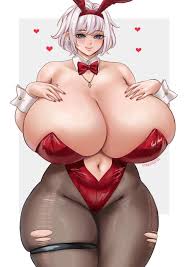
Visual Scale Comparison
A simple way fans often think about it is like this:
Average Bust → Busty → Kyonyuu → Dekanyuu → Bakunyuu → Super Bakunyuu
In approximate cup-size terms:
- F–H Cup = Kyonyuu
- H–K Cup = Dekanyuu
- K Cup+ = Bakunyuu
- N Cup+ = Often described as Super Bakunyuu or Hyper Bakunyuu
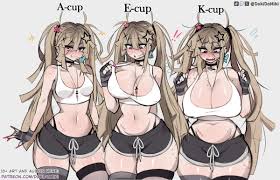
However, cup size alone does not determine the classification. Japanese fans typically consider:
- Overall body proportions
- Waist-to-bust contrast
- Character design style
- Visual impact
As a result, two women with the same cup size may be categorized differently depending on their build and presentation.
Our Recommended Bakunyuu Sex Dolls
-

7.7LB BBW Big Ass Torso Male Sex Doll Fuckable Tits Four Channel Big Booty Sex Doll (Jessica)
$109.99 -

8.2LB Paizuri Big Boobs Hentai Sex Doll Torso For Men Big Booty Sex Toy Fuckable Tits(Kelly)
$119.99 -
35.9lb Life Size Sex Doll Torso with Big Tits and Big Ass,Sex Dolls with Skeleton (Sophia)
Original price was: $429.99.$379.99Current price is: $379.99. -

19.8lb Realistic Sex Doll BBW Torso Sex Dolls with Skeleton (Aria)
$249.99

Final Thoughts:
In the end, Kyonyuu, Dekanyuu, and Bakunyuu are really more like visual categories than precise measurements.Kyonyuu usually refers to a noticeably large bust, Dekanyuu goes a bit further into more extreme territory, and Bakunyuu is often used for the most exaggerated, highly stylized proportions you tend to see in anime and manga.
There aren’t really any official rules or fixed definitions behind these terms. Sure, cup sizes can give you a rough idea, but in practice, it’s mostly about the overall look and how the character comes across visually.